Volpe's Blog

My points of view, travels and code

Predictions

on Economy, Predictions, Politics

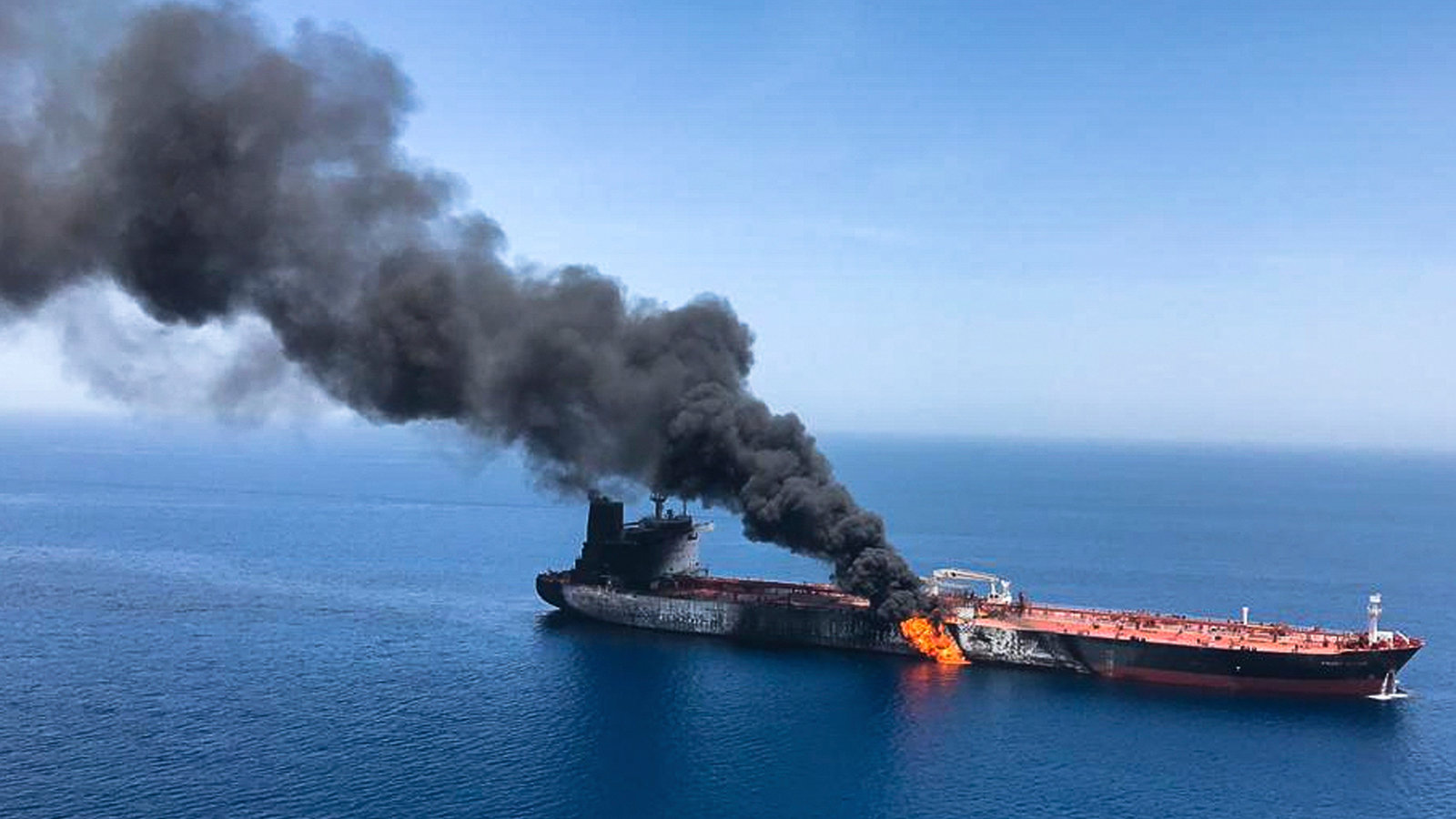
The Hormuz Blockade: The energy and supply chain crisis that's upon us

The Hormuz Blockade: The energy and supply chain crisis that's upon us

We are sleepwalking into the worst energy crisis since the 1970s. The Strait of Hormuz has been closed for 34 days now, and with it the world’s supply of 20% of oil and gas, 30% of fertilizer, 33% of helium and 10% of aluminium, among other critical materials.

Brent Oil is already at all-time high, but we haven’t priced in the effects nor have governments reacted. Shortages and high prices around the world are likely to come next. Restrictions have already started in some countries. To give perspective of the depth of the situation, the US had to rush to lift sanctions on Russian, and even more shockingly, Iranian oil.

Our Covid moment

This is just like covid in January 2020. But this time it’s not a novel virus that we don’t know if it’ll kill us all and spread like a plague, or just a flu that’ll go away. This time we have the rare benefit that we know what’s coming: the shortage of the fuel we’ve relied on for 100 years, and many other key raw materials. I think people will start to react when leaders around the world start to issue warnings and limitations to lifestyle, as we’re already seeing in New Zealand and Australia. It is our own responsibility to be prepared.

But it also feels opposite in a way. During the pandemic oil traded negative because there was such demand destruction, now high prices are the ones pushing the destruction.

Continue reading →
on Economy, Predictions

How the AI bubble bursts

How the AI bubble bursts

The catalysts for a crash are already laid out, and it can happen sooner than most expect. AI is here to stay. If used right, chances are it will make us all more productive. That, on the other hand, does not mean it will be a good investment.

Big tech doesn’t need to win, just outspend

Magnificent 7 companies are increasing capex to their biggest ever to differentiate their tech from each other and the big AI labs, but the key realization is that they don’t have to spend it to win. It’s a defensive move for them, if they commit $50B, OpenAI and Anthropic need to go raise $100B each to stay competitive, which makes them reliant on investors’ money. As the numbers get bigger, the amount of funds that can write checks of the size required to fill such amounts gets smaller. And many of them are now getting bombed in the Gulf.

This is the reason there’s a push for IPOs, it’s because it’s the only option left to keep the funding coming.

Taking this into account, Google is extremely well positioned to weather the storm. When they announce capex expenditure, they don’t spend it overnight. They can simply deploy month by month until their competitors struggle to raise and get forced to capitulate. At that point they can just ramp down the spending and declare victory in a cornered market. They don’t need capex, they just need to make it very clear for everyone that nobody can outspend them. It is hard to picture as numbers get so big, but Alphabet (Google’s parent) is ten times more valuable than the biggest military company .

This also has a great implication for the Mag 7, especially Google: their capex will be a lot smaller in practice than projected, and as investors hate to see high capex in tech, the market will probably reward that if it materializes.

Continue reading →
on Economy, Predictions

Why isn't anyone panicking?

Why isn't anyone panicking?

The S&P 500 is near all-time highs. Crypto is up. And yet the US has started its biggest Middle East war since Iraq, and 20% of the world’s oil just went offline. Why is most everybody pretending things are normal?

The conflict is massive

The official communications are chaotic about the goals of the military operation. There is no clear off-ramp in sight, and the conflict keeps escalating. Tankers are not going through the Strait of Hormuz, taking roughly 20% of the world’s oil out of the market.

The White House, and its supporters claim that as soon as they decide to wrap this up, the strait will open up again and everything would be normal. Alternatively, they argue that by using more military action, involving even more countries in the conflict, they can open it back up now. However, oil experts and academics are widely sceptical of this and traffic is in standstill.

The fear is that even if Iran is militarily fully defeated, the threat of a single cheap drone by a holdout militia is enough to raise insurance prices, or even cancel covers. Ships are so expensive that no rational commercial operator could risk it. And this doesn’t count for loss of life, or crews refusing to go to the region.

As oil prices shot up, shipping companies have no incentive to operate in the conflict zone, as they can charge a lot more for their ships even if they have to cover longer distances outside of the strait. The risk of a vessel getting stuck inside the Persian Gulf is already enough to stay away, even if not a single mine or drone is actually there. Analysts are claiming naval escorts are not a solution either, and even if they were, how unsustainable that’d be both economically and politically.

Rumors are that Russia and China are helping Iran with intelligence, giving us all Cold War PTSD.

Why there’s no end in sight

The world has now learnt that with these asymmetric war tactics, Iran is more of a threat to the global economy than previously thought. They barely have an army at this point, but they still have excessive leverage in the world oil supply.

The region is highly destabilized, gulf states that spent billions of dollars building airports, airlines, and their reputation of a luxury link between the East and the West are now getting an unbelievable setback. They are a couple of bad escalations away to get their refineries, ports and wells offline for months if they get hit by a drone or a missile. And should bombs fully stop tomorrow, we have all seen that oil from this part of the world is riskier than we priced in, so alternatives and redundancies need to get built, increasing costs of the supply chain for everyone.

So far, the Houthis have not shown up in the playfield, but if they were to, disruptions could cause commercial vessels to avoid the Red Sea, complicating oil transit even more. And the US went into this with only half of their strategic oil reserves available.

All of this happens while Ukraine is not meaningfully producing oil, and Russian oil is largely sanctioned by the West. Russian tankers are getting seized every week, and even blown up at sea. Meanwhile the flagship growth driver, AI, is incredibly capital intensive.

Continue reading →